

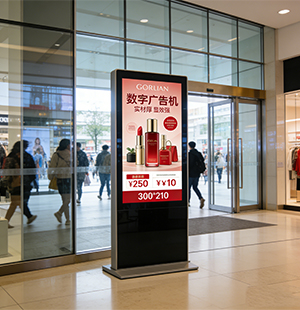
 The way you position your screen does more than define its appearance—it directly influences how audiences absorb information and interact with your brand. Therefore, choosing the right orientation should be a deliberate, strategy-driven decision rather than a simple design preference.
When selecting a high-quality floor-standing digital signage kiosk, you must first consider your content objectives and user behavior. On one hand, landscape displays create a wide, cinematic viewing experience that works well for video content and immersive storytelling. D'altra parte, portrait screens mirror the vertical format of smartphones, making them more intuitive for scrolling content, social media-style layouts, and quick information consumption.
Moreover, each orientation not only affects visual composition but also shapes user attention patterns and engagement flow. As a result, understanding both the mechanical setup and the psychological impact of screen direction becomes essential.
In this guide, we explore how landscape and portrait layouts differ in function and perception. By aligning your display orientation with your communication goals, you can significantly enhance visibility, improve interaction, and maximize the overall impact of your message.
The Vertical Revolution: Why Portrait Rules Retail
Modern consumers spend hours every day looking at vertical smartphone screens. Consequently, a portrait-oriented floor-standing digital signage kiosk feels immediately familiar and intuitive. This layout is the perfect choice for displaying life-sized human portraits, fashion photography, or digital posters. Furthermore, vertical screens excel at presenting long lists, such as restaurant menus or building directories. Therefore, portrait orientation is the industry standard for high-traffic corridors and retail entrance points.
Efficiency Tip: Use vertical screens in elevators or narrow hallways. Consequently, the display matches the vertical architecture of the space without blocking pedestrian flow.
The Cinematic Experience: When to Go Landscape
Landscape displays mimic the natural field of human vision and traditional television formats. Consequently, this orientation is the superior choice for high-definition corporate promotional videos and cinematic storytelling. Furthermore, horizontal screens provide the necessary width for detailed geographic maps or complex project timelines. If your content relies on wide-angle scenery or group shots, a horizontal floor-standing digital signage kiosk è essenziale. Therefore, landscape layouts remain the go-to for hotel lobbies, conference rooms, and command centers.
-
Corporate Storytelling: Landscape mode captures the “big picture” of your brand journey.
-
Wayfinding Maps: Horizontal width allows users to see the entire floor plan at once.
-
Data Dashboards: Spreadsheets and charts fit more naturally across a wider axis.
Strategic Comparison: Finding Your Fit
| Content Type | Portrait Efficiency | Landscape Efficiency |
| Human Portraits | large (Life-sized scale) | Low (Needs heavy cropping) |
| Menu Lists | High (Easy to scroll/read) | Moderate (Limited rows) |
| Video Content | Moderate (Social media style) | High (Cinematic style) |
| Social Media Feeds | Native (Matches TikTok/IG) | Low (Black sidebars) |
Consequently, the “best” orientation depends entirely on the nature of your creative assets. Furthermore, some modern chiosco di segnaletica digitale da pavimento models offer rotating mounts for ultimate flexibility. Therefore, you can adapt your hardware to meet the changing needs of different marketing campaigns.
Conclusion: Aligning Design with Human Visual Experience
Effective digital communication begins with understanding how people naturally see and process visual content. Screen orientation, although often overlooked, plays a foundational role in how clearly and comfortably your message is delivered. Rather than forcing landscape content into vertical displays—or the other way around—you should take a more strategic and user-focused approach.
By selecting a professional floor-standing digital signage kiosk that aligns with your content format, you actively improve clarity and viewing efficiency. As a result, your audience absorbs information more quickly while experiencing less visual strain. Moreover, properly oriented displays enhance the overall presentation, allowing your visuals, text, and branding to appear more balanced and impactful.
Now is the time to refine your display strategy with intention. When you match screen orientation to content, you unlock the full potential of your messaging and create a more engaging visual experience. After all, your information deserves a display solution that presents it at its very best.
For even more exciting content, check us out on Facebook!
Don’t forget to click the link below to follow us—be the first to get the latest updates so you never miss a beat!
🔗 [ Opulux Facebook ]